
Guest column: Music Ally publishes guest columns which voice the opinions of notable authors that advance specific perspectives on important issues. These are chosen at the Editorial team’s discretion and are not paid-for. You can explore the guest column archive here.
In this guest article, Simon Scott, the founder of Push Entertainment and co-inventor of Cirkay Fan Pass, lays out his journey in trying to understand the human behaviour that drives artist-fan connection and shares his thoughts on what the future of fan engagement could look like.

Today, Spotify and other streaming services promise to predict what songs we’ll like. They call it “discovery,” and while this seems helpful, the use of this word has always troubled me. I’d argue it’s really “algorithmic suggestion.” In that shift of language, we’ve perhaps lost something valuable: appreciating the thrill of stumbling upon music through our own wandering.
Don’t get me wrong, playlists like “Discover Weekly” can introduce us to incredible artists we’d never have found otherwise. But there’s something different about the experience when algorithms do the hunting for us. True discovery, the kind that creates lasting connections between artists and fans, shouldn’t feel like channel surfing. It should feel more like exploring, following threads of curiosity, chasing recommendations from friends, or diving deep into the influences of a band you love.
Both approaches have their place, but I worry we’re losing the art of musical exploration. When everything is served up based on what we’ve already liked, we might miss those beautiful accidents that happen when we venture beyond our predicted preferences.
The best discoveries often come from the most unexpected places and these in turn lead to stronger relationships and connection between artists and fans.
The Science Behind Music Discovery
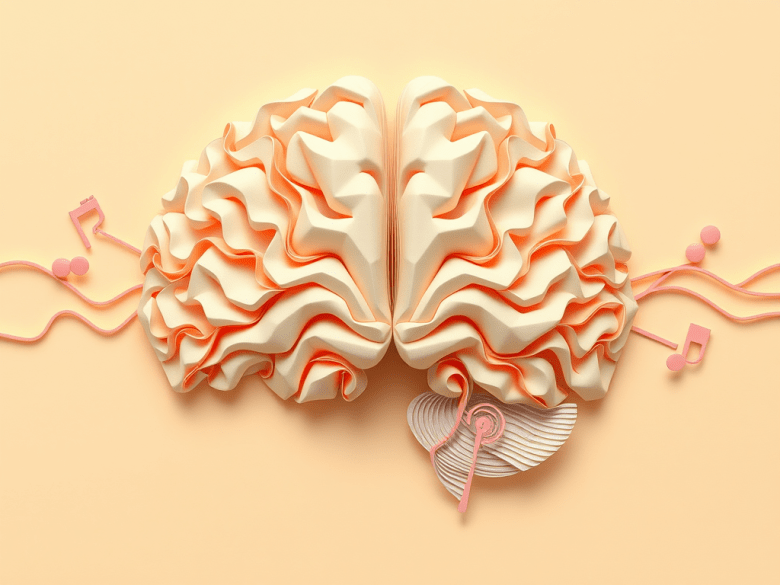
When you look at the neuroscience behind this phenomenon it supports what many music lovers instinctively know. When we actively hunt for new music, our brains engage what is called the “seeking system” the same dopamine pathways in the brain that evolved to reward exploration and learning. It’s why finding a hidden gem through your own digging feels so much more satisfying than having Spotify serve it up on a playlist.
This seeking system, first identified by neuroscientist Jaak Panksepp, runs on dopamine pathways extending from the ventral tegmental area of the brain to the nucleus accumbens and prefrontal cortex.
“When a confusing, challenging song suddenly “clicks”, your brain releases dopamine – not just because you like the music, but because you worked to understand it”
Simon Scott
Originally evolved to help our ancestors find food and resources, it now latches onto cultural pursuits, including music discovery. Here’s the fascinating part: this system is actually more active during the hunt than during the find. That electric feeling when you’re diving through an artist’s back catalog, following a chain of “influenced by” links on Wikipedia or going down a YouTube rabbit hole? That’s our ancient foraging instincts at work.
Brain imaging studies reveal something else even more interesting; our reward centers light up more intensely when we achieve success through effort. That moment when a confusing, challenging song suddenly “clicks”, your brain releases dopamine – not just because you like the music, but because you worked to understand it. Scientists call this the “generation effect,” and it explains why fans who actively engage with artists, following lyrical themes, tracing influences, connecting musical dots, form deeper, more lasting connections than those who simply let algorithms choose for them.
So, active discovery creates stronger neural pathways, it’s about how our brains are wired to learn and remember. Which means the music we discover ourselves becomes part of who we are in ways that passive listening simply can’t match.
How We Discover Music We Care About
Real music discovery often starts small, a mention by a friend, an overhead fragment, intriguing album art, or a band name that stands out on a festival poster. These chance encounters work because they engage our natural curiosity rather than our predicted preferences.
The key is what happens next. Instead of simply adding the song to a playlist, active discovery means being able to follow a thread: Who influenced this artist? What else have they recorded? Where are they from, and what scene produced them? This kind of musical detective work engages the same reward systems that made our ancestors successful hunters and gatherers.
What makes this process so addictive is something psychologists call “intermittent reinforcement”—the most powerful way to create lasting connection. Not every deep dive needs to yield gold, but when it does, the payoff feels incredible. Maybe you discover that your new favourite band shares a producer with another artist you love. Maybe you find a B-side that’s better than anything on the album. Maybe you realise they’re part of a whole musical movement you’d never heard of. These unpredictable rewards keep our seeking system highly engaged, driving us to keep exploring.
Consider how this differs from algorithmic discovery, which shortcuts this entire process. Spotify might correctly predict that you’ll like a song, but it can’t replicate the satisfaction of connecting the dots yourself. More importantly, it can’t create the same lasting neural connections that come from active engagement.
“Spotify might correctly predict that you’ll like a song, but it can’t replicate the satisfaction of connecting the dots yourself”
Simon Scott
Building Lasting Fan Connections
The intensity of fan connections makes sense when you understand what’s happening in the brain. When we actively discover and engage with music, we’re not just activating the seeking system, we’re creating a neurochemical cocktail that includes:
- Dopamine from the seeking and anticipation
- Oxytocin from feeling connected to the artist (yes, even parasocial relationships with artists can trigger this)
- Serotonin from sharing discoveries with friends and building social capital
- Endorphins from the emotional highs of the music itself
This multi-system activation is why finding “your band” can feel like falling in love. It’s also why fans who discover artists through their own efforts tend to stick around longer. The discovery process has literally wired their brains differently than someone who just heard the hit single on a playlist.
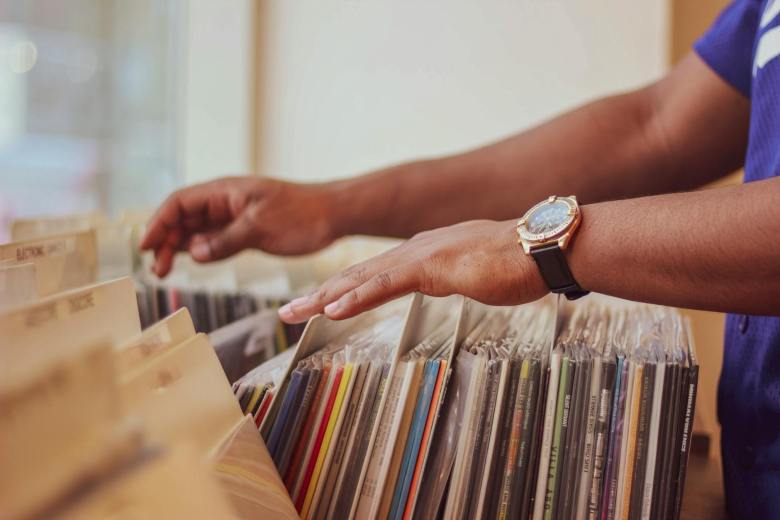
Additionally, it is also true that meaningful discoveries often come from deliberately stepping outside our comfort zones: browsing record stores without a plan, following opening acts down rabbit holes, or asking friends about their recent obsessions. These methods are messier and less efficient than algorithms, but that’s precisely why they work. The effort itself becomes part of the reward.
The Future of Discovery
I’m not suggesting we abandon streaming services or their recommendation engines. They’re incredible tools that have democratised access to music in ways we couldn’t have imagined twenty years ago. But we should be intentional about how much reliance we place on them and ensure that alternative approaches are also in play for fans to discover themselves.
Maybe it means doing less and leaving time for fans to enjoy actual musical exploration—treating it like the rewarding activity it is, rather than something that is outsourced to algorithms. Maybe it means using “Discover Weekly” as a starting point rather than an endpoint by simultaneously planting breadcrumbs to catch attention via those chance encounters.
The strongest fan communities aren’t built on passive consumption. They’re built on shared journeys of discovery, the collective thrill of the hunt, and the deep satisfaction of earning your musical loves through exploration. Our brains are wired for this kind of active engagement, and when we honour that wiring, we find more than just music, we find a connection.
For music marketing teams, this might seem counterintuitive. Why make discovery harder when you could just buy playlist placements and targeted ads? But here’s the thing: working with the brain’s seeking system rather than against it doesn’t mean making things difficult—it means making them intriguing. It means creating ‘story points’ rather than billboards, fostering curiosity rather than just impressions. The artists who build the most devoted fanbases aren’t always the ones with the biggest marketing budgets; they’re the ones who give fans something to discover, decode, and share.
In the end, the difference between algorithmic curation and true discovery isn’t just semantic. It’s the difference between being fed and learning to hunt. Both will create listeners, but only one will create fans. And for marketing teams brave enough to embrace the messier, more organic path of genuine discovery, the payoff isn’t just streams or sales, it’s building communities that will champion your artists for years to come.
Stay tuned – as a follow-up to this article we are going to run a special edition of the Music Ally Focus podcast with a team of music marketers including Robyn Elton, head of audience at Blackstar, Keziah Reed, digital marketing manager at Believe, and Aaron Bogucki, founder of Big Cookie.