
Guest column: Music Ally publishes guest columns voicing the opinions of notable authors, or advancing specific perspectives on important issues. These are chosen at the Editorial team’s discretion, are not paid-for, and do not necessarily reflect Music Ally’s own opinion. You can read our guest column policy here, and the guest column archive here.
This guest post is by Stu Bell, who oversees PR for global tours for artists including Paul McCartney and Sting, and is co-founder of agency DawBell.
In 2026, all the data shows us that the live experience is more important than ever. The unique sense of community and joy it brings can’t be downloaded or digitally replicated. For an artist, performing live is the very core of all they do. It brings together every element. They get to be with their audience. The fanbase need to feel appreciated and valued. Artists need to engage with their community. Stories need to be told and relationships need to be built.
Financially, it’s never been more important. Touring was once a vehicle to promote the album – which was the real money-maker. Now, in many cases, it’s the artist’s primary income. It’s no longer a case of touring once every five years. Many artists now seem to live on the road. The question becomes: how do they continue to sell tickets and grow their audience every time they return?
“Ticket prices have become an easy media story”
In 2026, audiences (and artists) no longer sit within a monoculture. Media habits are fragmented. Social media, influencers, creators, and legacy media all play their part. Artists have to work harder than ever, and so do publicists, to ensure a genuine connection is made, not only with the audience but with the community and territory they are visiting.
Ticket prices have become an easy media story. In recent years, huge tours have grabbed headlines and racked up clicks based on secondary ticketing outrage and accusations of dynamic pricing. If the only story told about a tour is the ticket price, you’ve already lost control of the narrative. Perversely, it’s almost a badge of honour to have ridiculously priced tickets to in-demand sporting events, yet the same logic isn’t applied to live music.
“People accept paying a high price to eat in the best restaurant or stay in a six-star hotel, but when it comes to seeing the greatest entertainers on the planet, it suddenly becomes a sensitive issue.”
Stu Bell, DawBell
These narratives need to be counteracted, and the value of seeing the artist perform consistently reinforced. It can take an army to bring a show to a city. The costs of putting on a huge show are not cheap. Streaming has given affordable access to the greatest music in the world, and newer audiences don’t always attach value to an artist’s rich catalogue in the same way older audiences do.
People accept paying a high price to eat in the best restaurant or stay in a six-star hotel, but when it comes to seeing the greatest entertainers on the planet, it suddenly becomes a sensitive issue.
Touring: a temporary residency in a community
The greatest artists, promoters and live agents I’ve worked with taught me one thing: don’t take anything for granted. Beyond selling out a show (if you’re in that lucky position), you want people to know about it and what it means to the community, the fans, and the local area. This is where legacy media and smart social media campaigns work hand in hand.
Working alongside local press, it’s possible to build consistent anticipation by ensuring they have strong content and stories that make them want to talk about the event, sometimes even offering access to the artist. The most successful artists are the ones who genuinely engage, take an interest in where they are playing, and are happy to explain via the media why they are visiting a certain area or talk about things they love locally.
Touring is no longer just a performance. It’s a temporary residency in a community. Simple activity can have a significant impact: local radio interviews on show day, inviting regional creators to soundcheck, surprise visits to record shops, supporting a city-specific charity, allowing press to capture load-in or rehearsals, spotlighting local support acts on socials, posting territory-specific content, or even sharing a handwritten setlist tagged to the location after the show.
Local stories, wider impact
You want to build excitement before the artist arrives. How are they preparing for the visit? How are they localising? What are they doing for the local economy? How are fans marking the occasion? The media want stories, and the best stories travel far beyond the initial coverage.
When the artist leaves the stage and the town, you want people talking about how incredible the experience was, so that when they return, demand is even higher.
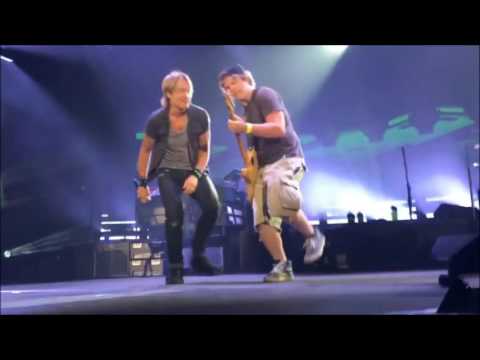
There are great examples of artists who do this well. Keith Urban, when touring the UK, has been known to find local buskers each day and invite them on stage. Paul McCartney launched a national school music competition in Australia, with the winning school meeting him at a show. Ed Sheeran has made surprise visits to record shops and busked in cities while on tour.
Foo Fighters have a long history of bringing local fans and musicians on stage. Taylor Swift’s city specific surprise songs create a sense that each show is unique to that place. Coldplay regularly highlights local choirs and performers as part of their shows. These aren’t gimmicks, they’re ways of embedding a tour into the fabric of a place.
Measure touring success by local actions
The best touring artists also look to create a positive impact, working with local charities, schools, and community groups, and thinking about how their visit can serve a wider good.
In 2026, the artists who succeed on the road won’t just be the ones with the biggest show. They’ll be the ones who understand that every city is an opportunity to build a story, a relationship, and a reason for fans to come back next time.
A combination of these tactics, alongside a world-beating performance on stage, gives artists the best chance of cutting through the noise.