


Team Talk is Music Ally’s interview series, where our marketing experts speak to music industry teams about their latest work, best practices, and smart strategies. You can find the archive here.
“One of the things that happens when you have venture capital flowing into the system is that people staff up. But we’ve never taken outside money. It keeps us connected to our balance sheet a lot better, so we don’t just staff up for the sake of staffing up, or because things are looking bright because someone just pumped a million dollars in here…”
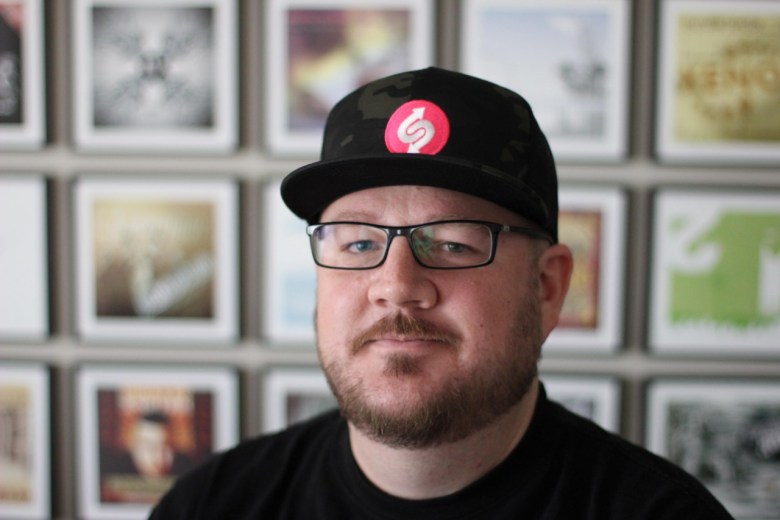
Timothy Trudeau, CEO of Syntax Creative, is talking about the importance of independence for his digital distribution and marketing agency. Not just in a ‘not owned by a major label’ sense, but the financial independence that comes from not being beholden to investors whose growth expectations may store up trouble for the business.
Trudeau has seen the business from a number of viewpoints: artist, songwriter and producer; photographer and artwork designer; label owner and now running a company that works with more than 150 independent labels as well as individual artists.
“I’m pretty sure we started the same year as The Orchard and some of these other [distributor] folks out there, and we stayed independent the whole way through. A lot of our contemporaries started independent and then got bought up,” he says.
“There’s no judgement on any of that. It’s just from my vantage point as an independent artist, I think there always has to be an independent out there. For now, where we’re at is we have no stakeholders, there’s no venture capital in our system, and we’re not owned by any majors or anyone that’s like ‘Hey! We need to get more uploads!’”
One of Syntax Creative’s most interesting moves has been the development of its Syntax Academy. It’s a series of educational courses for artists and music professionals, exploring skills including marketing and branding; strategy and planning; playlisting and key DSPs.
“It’s like: here’s what to do if you get on a playlist, with tangible things people can do. But we also have one that says here’s what to do when you DON’T get on a playlist,” says Trudeau.
“I think a lot of folks’ entire strategy is still ‘get on a playlist’. And yes, we have the data from that and sometimes it could be useful and can help make a decent difference. But in general, most of the time it’s not as big of a deal as people think.”
“Our hardest task can be to get an artist excited about other things besides getting on a playlist that might have more impact and actually move the needle more!”
That said, Trudeau is enthusiastic about the potential that today’s digital environment offers independent artists and labels, although he does not underestimate the importance of the debates around the streaming economy and how it pays off.
“I might be pollyannaish [excessively optimistic] about everything, but I just really like digital. The things that bother people about it are real and I think they’re genuine concerns, but I also feel some of those people are so focused on one [negative] thing, they’re missing the 200 amazing things that are going on because of digital,” he says.
“In general, most of the time [getting on a playlist] is not as big of a deal as people think.”
“So yes, let’s get more money in the royalty pool. Yes, let’s bring the payments up. Yes, let’s do all of that but also check out all these things that are making it better for artists that are trying to put out music.”
When it comes to getting artists paid, Syntax Creative has made it a point of pride to focus on speed and efficiency.
“These independent labels and bands are out here sleeping on cement floors, eating fast food, and working their butts off, and someone else is hanging on to the money!” he says. “We need the money to get back to the labels and the bands as fast as possible.”
The company’s partnerships with its clients are based on a revenue share rather than upfront fees, which Trudeau believes keeps it working in the best interests of the artists and labels. He uses the example of a booking agent to explain why.
“If you had a booking agent who you pay by the hour then you’re going to get someone who goes in, sits at the computer, and hopes somebody calls them. Their reward is going to be the same regardless: they’re getting paid for being there, not for what they do,” he says.
“But if you have a booking agent that you pay a flat rate to for every show you get, you’re gonna be doing a lot of birthday parties and not a lot of arenas! But if you hire a booking agent who gets to participate in the revenue of the show, then all of a sudden they’re looking at getting you the biggest and best shows, because they’re going to win just the same as you winning.”
“Our model is that we have no fees. We participate in the revenue [of the artists and labels it works with] and if we win, they win.”