

Team Talk is Music Ally’s interview series, where our marketing experts speak to music industry teams about their latest work, best practices, and smart strategies. You can find the archive here.
“There’s an ethical question about superfans. How is it right to charge people who love you the most, more money for access to you? That really doesn’t feel right. You should be rewarding people who are early adopters…”
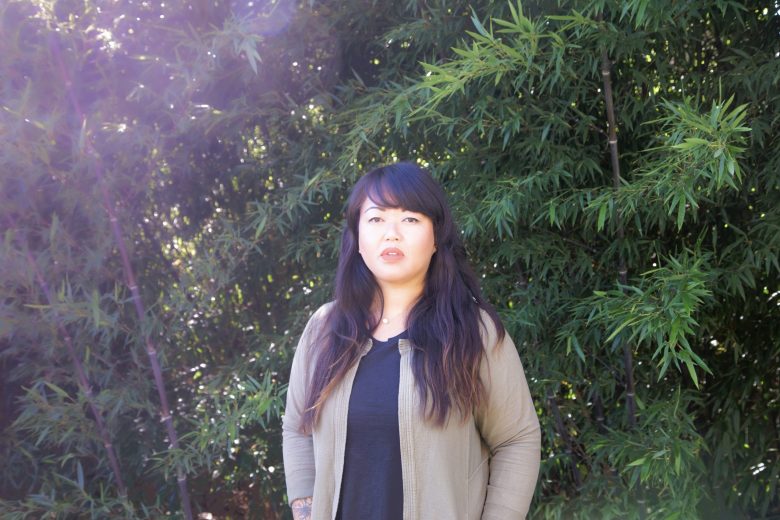
Michelle Szeto is vice president of 2:42 / Loft Entertainment, as well as being the manager of Canadian band Wild Rivers among others.
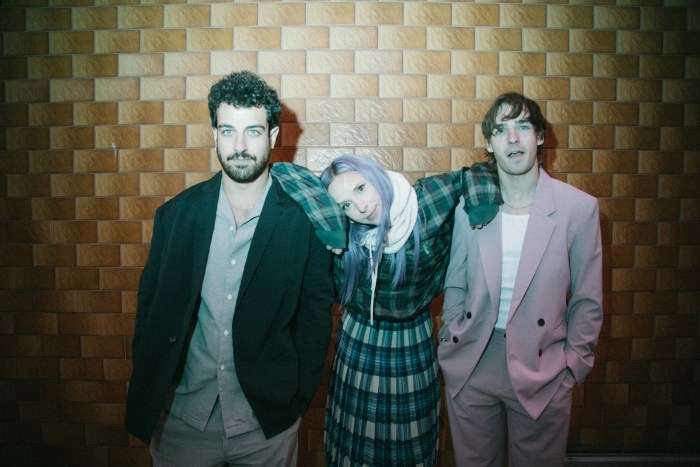
Music Ally caught up with her following the band’s recent listening party with some of their keenest fans in London, held while they were in town supporting Noah Kahan. Szeto sees it as an example of an artist rewarding their community.
“How do you differentiate people who have the ability and want to pay more for access, and how do you find people that have been with you early on, or have the loudest voices for you and are champions of you, and also reward them, and recognise and appreciate them in a way that’s based on creating a more intimate dynamic between you, versus it being transactional” is how she describes the challenge facing artists and their teams.
Another artist who Szeto works with has been exploring acoustic performances and Q&As for superfans, choosing 30 (who can each bring a friend) to attend based on data including pre-saves, social media activity and webstore merch sales.
The performance is also filmed, with the recording made available to other fans who’d pre-saved the artist’s new album early on. While the video footage will ultimately end up being used on socials and YouTube, the superfans get it first.
“Doing things like that allow you to tier, and also to make sure that you’re still serving people who aren’t in the community where these things are happening, particularly those living outside of urban areas,” says Szeto.
In the case of Wild Rivers, their listening party was a daytime affair, held in between Kahan’s two-night run in London. That meant the band had time for their own event, rather than having to travel to the next city on the tour.
Szeto stresses that these kinds of event are planned with the band rather than imposed on them, with careful attention paid to their wellbeing and need for downtime.
“If an artist feels like they can’t, we don’t do it. It’s not helpful for anybody if a fan has a bad experience because they met an artist who’s not engaged due to burnout!” she says. “A good experience has to come from a place where they’re well-rested and prepared and willing to do it.”
She adds that the artists are often willing because they genuinely love meeting their fans – especially once their careers have progressed to the point where it’s no longer simply a case of hanging out at the merch stall to chat.
As a manager, Szeto is keeping a keen eye on any platform or tool that can help her team identify and reward superfans. She’s been using the Openstage platform for nearly a year, connecting it to pre-save and webstore data to build a picture of artists’ fanbases.
“When I first got the demo 18 months ago I was definitely wary of, y’know, gosh it’s yet another thing that we have to figure out! We didn’t want to commit to this and dump data in it until we really knew that we could absolutely use it – and use it well,” she says.
Instagram remains one of the most important social platforms for her artists to interact with fans, replying to comments and DMs. Some, like Wild Rivers, are also using Discord, although Szeto admits that the latter has been a steep learning curve.
Here, too, her decisions are driven by her artists’ welfare.
“There’s so much to do! I don’t know what the next Discord is, but it’s surely coming,” she says, citing the recent news that social app BeReal was keen for more artists, celebrities and influencers to sign up.
“My great fear is: Oh god! It’s another thing! Especially when it’s a platform like that, where I can’t help an artist: they have to be responsible for it,” she says.
“And this is at the same time that DSPs are also asking for slightly different versions or specs [for artists’ content]. There is this growing list of things that artists are expected to create for exclusive content.”
Szeto understands that this can benefit artists as well as the DSPs, but is concerned that the return on investment – and creating all these different variants of assets can be expensive – does not always justify those costs.
But she comes back to the topic of superfans, where the investment from an artist and their team is as much about time and energy. With superfans being a big industry buzzword in 2024, she hopes people approach the area with the right motivations.
“One of the things I am apprehensive about is the exploitation of superfans. We should think about them as a community, that has given artists an opportunity to grow, and have this dream job. We should show them gratitude,” she says.
“I worry as I watch more people hungrily jump on that superfans bandwagon. I understand that this is the music business, so people want to be making money. We all want to be making money!”
“But I really hope that people will always have some level of purity in their intention for developing and growing superfans. Ultimately, I think artists need to take accountability and have an understanding in what’s happening with that community.”