

Guest column: Music Ally publishes guest columns voicing the opinions of notable authors, or advancing specific perspectives on important issues. These are chosen at the Editorial team’s discretion, are not paid-for, and do not necessarily reflect Music Ally’s own opinion. You can read our guest column policy here, and the guest column archive here.
This guest column is by Gregor Pryor, Entertainment and Media Partner, Reed Smith LLP.
In May, the family of the late Ozzy Osbourne announced that an AI-powered avatar version of the singer is to debut in the UK by the end of summer. From performing and acting to quasi-conversations, the possibilities this type of digital revival could hold have been celebrated and questioned in equal measure. The Osbourne family’s plans have also sparked conversations around how avatar productions can be created and deployed most appropriately.
Name, image, and likeness rights, commonly referred to in the industry as ‘NIL’, lie at the heart of these issues. NIL rights underpin both the opportunities posed and the concerns raised by the rapid advancement of AI, avatar, and deepfake technology. And yet, it could be said that they are still not receiving the widespread attention which they demand.
Why NIL rights should take centre stage
Avatar or hologram shows cannot exist without clear agreements governing the NIL rights of the artists involved. Sitting at the intersection of intellectual property and data privacy rights connected with an individual’s identity, NIL rights have the power to shape the scope, style, and commercial success of such projects.
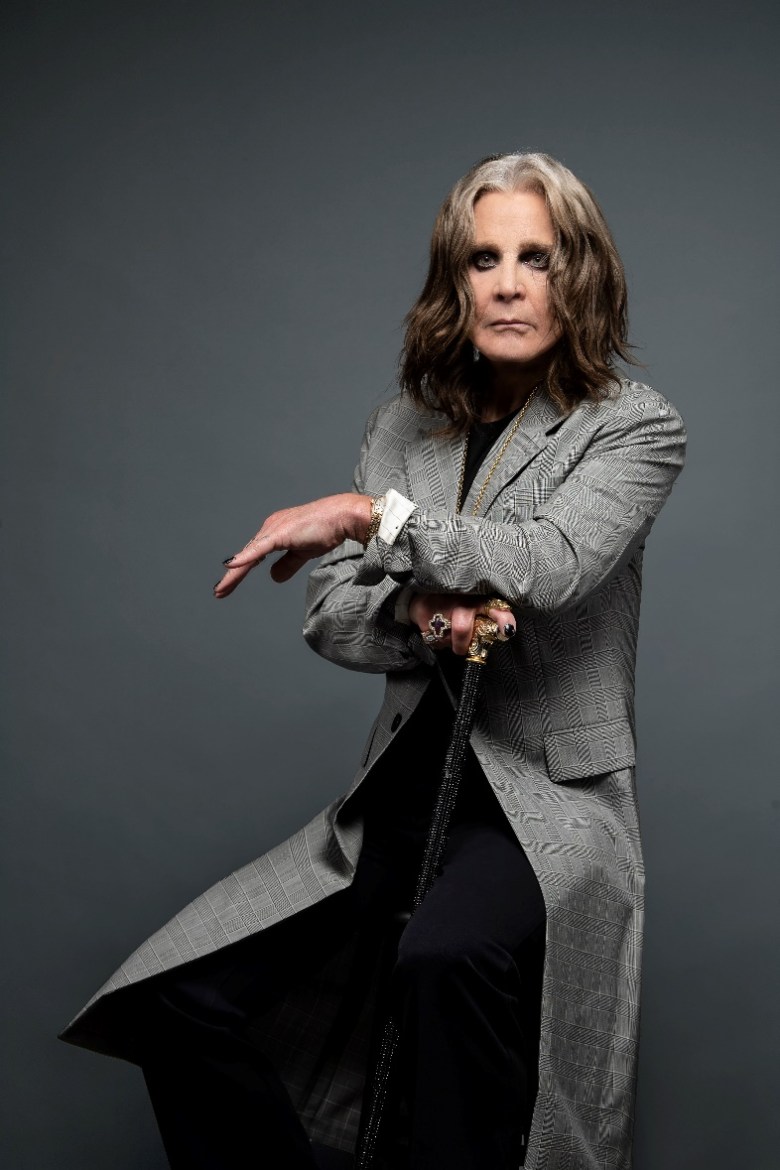
Image and personality rights are already a complex and evolving area of law. The legal status of NIL rights can vary dramatically in different countries. In the UK, key cases have helped underpin a legal framework that was not as solid for artists as in other countries. A good example is Rihanna’s case against Topshop, which saw her successfully challenge the brand for using her image without permission; critical litigation in which our firm was able to help the artist prevail.
The rapid advancement of technology is now supercharging both the commercial possibilities and legal questions surrounding NIL rights. Avatar shows, for example, may enable an artist’s likeness to endure long after their death, meaning that the time period during which these rights must be considered is significantly extended.
Should the UK government choose to pursue its radical proposals of a standalone personality right (one idea put forward concerning how to tackle deepfakes), the legal landscape could shift further still.
As things stand, many of the issues raised by these advancements remain largely unresolved. As a combination of AI and video technology continues to reshape the music industry, the stage is set for creatives, wider project stakeholders, and legal and legislative decision-makers to map out the ways in which these rights will work in the modern entertainment landscape.
Name, image, and likeness rights projects are an opportunity for ingenious use of technology to create new experiences and to create value for rights holders and artists alike.
Gregor Pryor
Using NIL rights the right way
When the legal considerations around NIL rights are handled carefully, sensitively and thoroughly, the creative opportunities are endless. NIL projects are an opportunity for ingenious use of technology to create new experiences and to create value for rights holders and artists alike.
Avatar and hologram shows enable new ways to enhance and monetise the consumer experience and generate additional revenue streams for artists, their estates, investors, and wider strategic partners. Music and its appurtenant intellectual property is increasingly viewed as a lucrative asset class; as a result, we have seen enormous interest in the race to capitalise from the most forward-thinking players in the industry.
The success of ABBA Voyage remains the clearest example of this potential. After several groundbreaking early ventures, the project demonstrated the scale of demand for top-tier virtual performances – especially for artists whose appeal and catalogue are evergreen. Avatar shows allow acts to capture defining moments in their career and perform at that point over and over – drawing in new generations of fans.
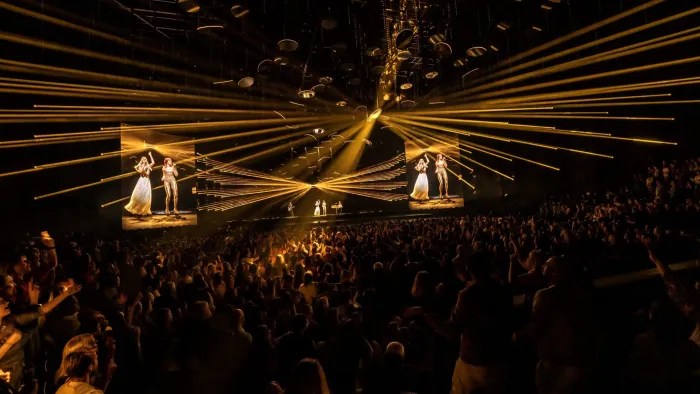
Avatar experiences also lend themselves to continual innovation. Productions can be commercially and culturally relevant over time. Experiential technology is fast developing in tandem with these projects; for example, where virtual reality can be combined with avatar shows, even more possibilities abound.
However, these opportunities are tied in with important legal and commercial considerations: transactions and agreements need to be properly structured and future-proofed in anticipation of ongoing development, to ensure that the original vision and values of the artist stay central to the quality and tone of any subsequent production.
Those wishing to acquire or secure NIL rights need to be particularly mindful of issues such as: ensuring talent and recording agreements capture the appropriate rights; and carefully checking publishing and distribution agreements in case a broader set of rights have not been inadvertently granted. Those who represent artists should be doing everything possible to afford the broadest scope of legal protection for the commercial identity of their clients, including protecting their voice and image.
Music, gaming, and NIL rights: a new arena
The licensing of avatars and performances of artists within gaming ecosystems illustrates particularly well the complex web of pitfalls and possibilities which surrounds NIL rights in practice.
Games platforms and social environments, particularly large-scale experiential games, are a key consideration for many artists and management teams looking for the next revenue source. They offer almost limitless creative possibilities. Aligning the interests of developers, platforms, artists, and underlying rights holders requires careful coordination. NIL rights sit alongside a broader matrix of intellectual property, commercial, and creative considerations, all of which must be reflected in the contractual framework.
Any eventual deal needs to successfully marry the established IP of the game itself with the artist’s content, NIL rights, and creative vision. Parties need to discern in fine detail how a game plans to deploy avatar-based performances and musical content, with a clear allocation of rights and approvals between parties. Without this understanding, a collaboration simply won’t be able to get off the ground.
But with this understanding and the appropriate guidance, artists and their teams can reach new listeners and convert them into a new tribe of fans that reaches far past traditional digital revenue streams.
NIL rights are underexploited. Those that can lead the charge in developing and deploying them in a structured and secure manner will find themselves at the forefront of the next wave of innovation and success.