
Earlier in June, the UK became the latest country to propose a ban on social media for under 16s — in an announcement by the Labour Party’s Keir Starmer which has since been somewhat eclipsed by the news of his resignation.
While the UK’s revolving door PM spot continues to swivel – as the country seeks its seventh leader in a ten-year span – the social bans seem to be finding initial bipartisan support.
So what does that mean for the UK music industry and beyond? While many agree the bans are unequivocally a good thing for youth wellness — as found via results from a UK pilot programme of several hundred children earlier this year — many others bemoan that the ban will stop children from finding community support at a vital time of youth development. And there is another complicated reality: many emerging artists are either under the proposed cut-off age of 16, or have large youth fanbases – and do much of their promotion on legacy social media platforms.
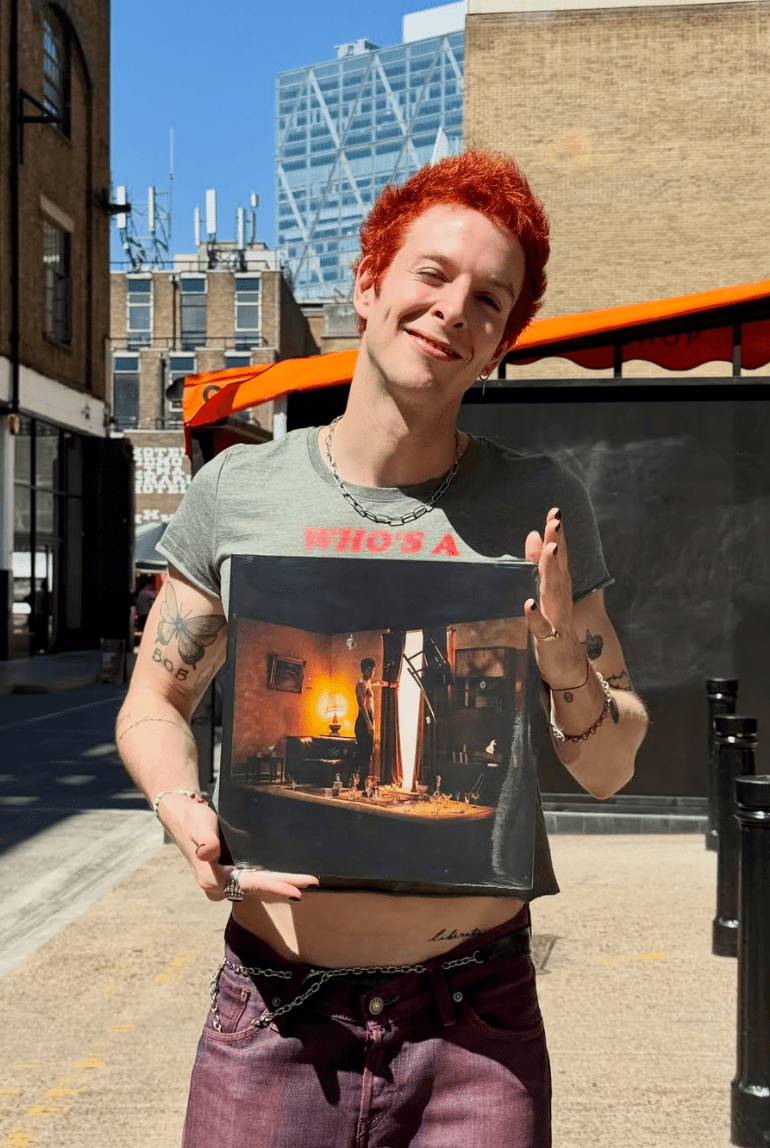
Emerging UK artist D3lta has some thoughts on that, which he shared with Music Ally. Overall, he says, he believes the bans are likely to have some positive effects, both when it comes to public health and for meaningful connection with fans.
“Social media platforms are incredibly good at serving content that keeps users engaged, and that can sometimes come at the expense of shorter youth attention spans,” the artist told Music Ally. “Platforms like TikTok have transformed how we consume content, but it has also made it harder to engage deeply.”
When asked about if the bans influenced the approach to his debut release, the artist said “not significantly.”
“I don’t think the fundamentals change. As an artist, my job is still to create great music, share it consistently and try to connect with the right audience. Whether certain platforms are available or not, that remains the same.”
“Looking ahead, however, I do think traditional media and live experiences may become increasingly important ways of reaching younger audiences in the UK. If social media becomes less central to music discovery, artists and labels will need to rethink how they build awareness and connect with the next generation of fans.”
As the bans continue to shift how artists relate to young fans, perhaps this will also encourage artists and artist teams to form campaigns that capture attention in creative ways, outside of the box of short form content.
Read more about the youth social media bans in our most recent Sandbox Guide.